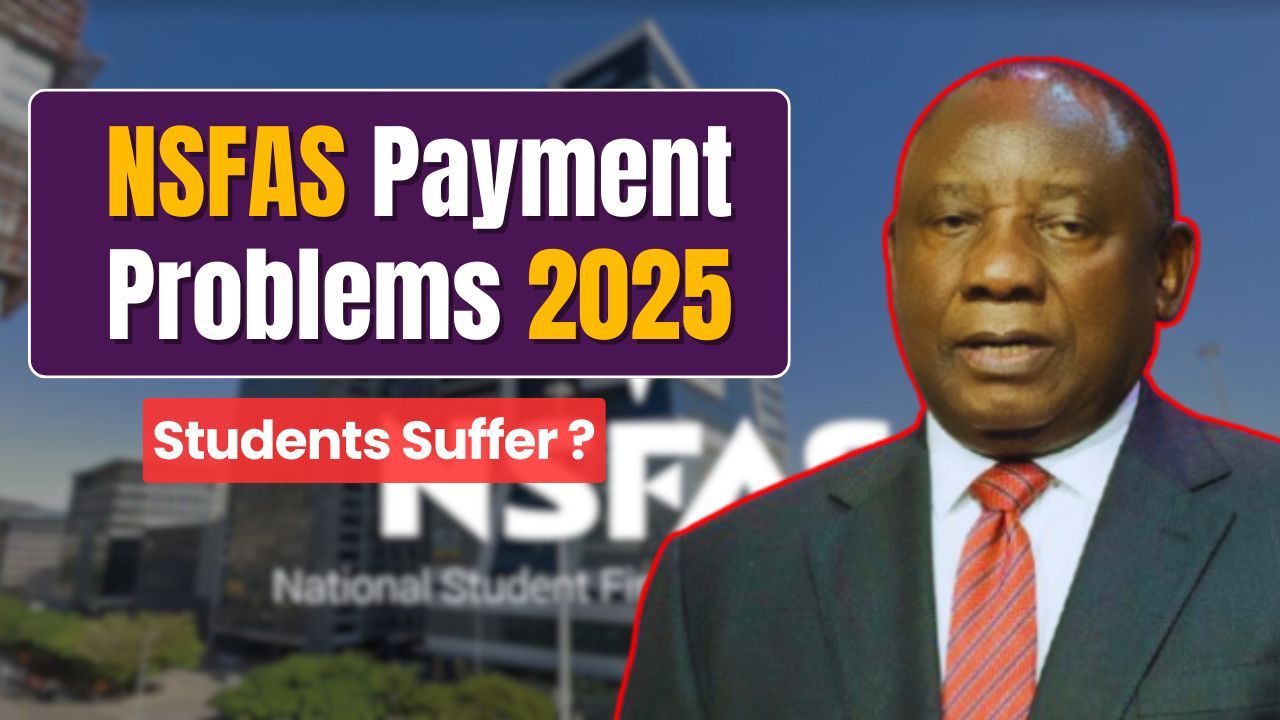
The year 2025 has brought renewed anxiety for university and TVET college students as NSFAS payment delays continue to disrupt academic life. Despite repeated assurances of system improvements, many students are still waiting for allowances that are essential for transport, food, data and accommodation. The instability has put thousands at risk of falling behind before the academic year has even settled.
Allowance Delays Hit Hard
The biggest concern remains inconsistent or late monthly payments. Many students report receiving partial amounts, while others have gone months without any support. With rising costs of living, these delays leave students unable to attend classes, buy academic materials or secure stable housing. For many, NSFAS allowances are the only lifeline keeping them enrolled.

Accommodation Crisis Intensifies
Accommodation providers have also raised alarms, stating that delayed NSFAS payments leave them unable to maintain operations. Some students have been threatened with eviction, while others are forced to move between temporary housing, affecting their ability to study effectively. The ongoing payment backlog has strained relationships between institutions, landlords and students.

Digital System Issues Continue
The promise of a smoother digital payment system has not fully materialised. Students frequently complain of glitches, verification failures and long waiting times to resolve simple issues. Many struggle to upload documents or correct personal information, with system errors slowing down the approval of applications and continued funding.

Impact on Academic Performance
The financial stress is directly affecting academic outcomes. Some students miss lectures because they cannot afford transport. Others cannot complete assignments due to a lack of data or stable accommodation. Universities warn that dropout rates may climb if NSFAS does not stabilise payments soon.

Institutions Call for Urgent Intervention
Several universities and TVET colleges have urged authorities to address the administrative breakdowns that have persisted since earlier years. They emphasise that predictable funding is critical to student success and warn that prolonged delays will undermine the entire higher education system.

What Students Should Do Now
Students affected by payment delays are encouraged to keep their contact details updated, monitor their NSFAS accounts regularly and report issues immediately to financial aid offices. While resolution times remain slow, submitting documents early and ensuring accuracy can help reduce further delays.
A System in Need of Reform
The ongoing problems in 2025 have triggered new calls for structural changes to NSFAS. Many stakeholders argue that the funding model must be rebuilt for transparency, efficiency and accountability. Until meaningful reforms take place, students are likely to continue bearing the brunt of administrative failures.
Hope for Improvement
Despite the setbacks, plans are underway to expand monitoring systems, improve verification speed and increase oversight. If implemented effectively, these measures could reduce payment issues and restore confidence in one of the country’s most important student support programmes.